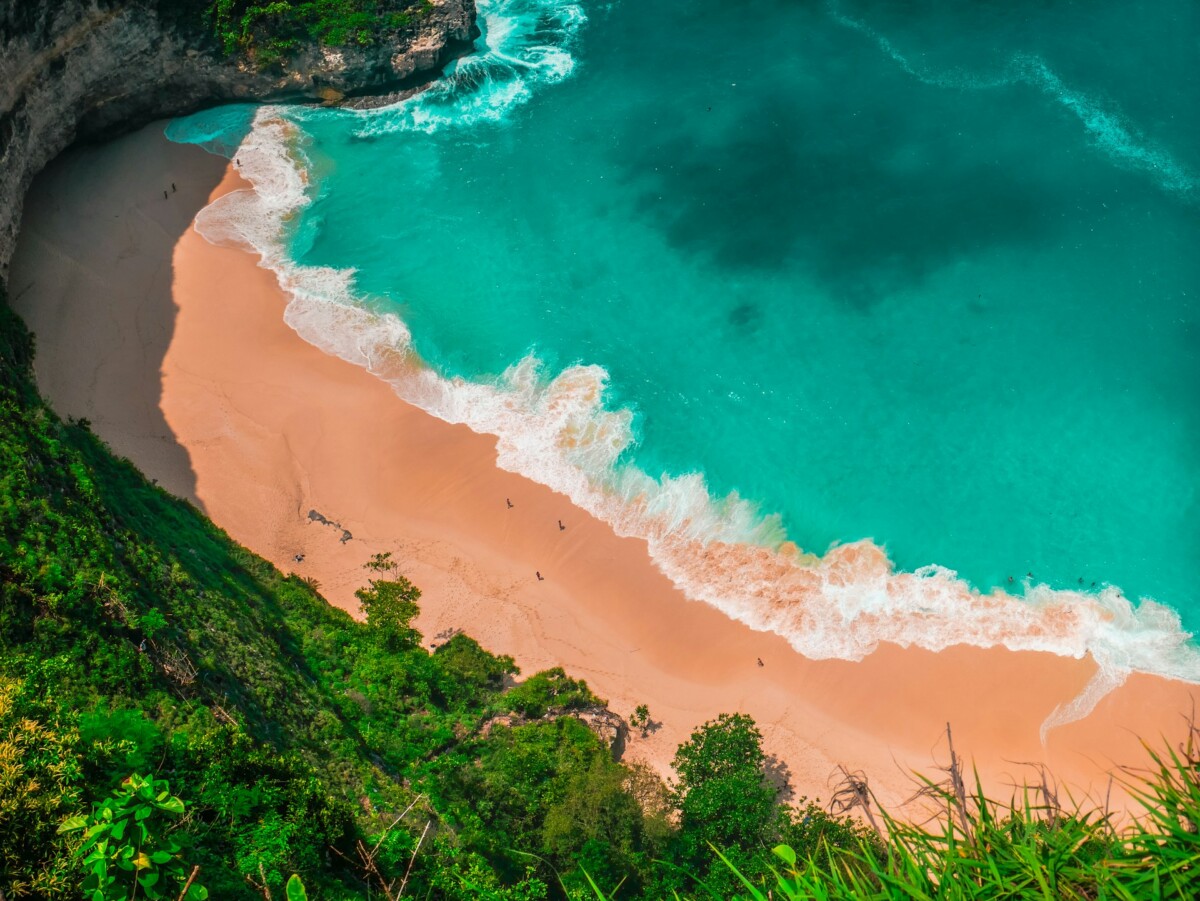
Due to its popularity as a travel hotspot, Bali, one of Indonesia’s top tourist destinations, has seen a surge in its property sector. The influx of visitors to the Island of the Gods has prompted many developers to launch new projects.
According to data from Bali’s Central Statistics Agency and the Bali Tourism Authority, released in August 2024, 2,910,679 international tourists visited Bali in the first half of this year, a 23.59% increase compared to the same period in 2023. Meanwhile, domestic visitor numbers reached 898,355 in June 2024 alone, continuously surpassing domestic visitor figures from 2020 to 2023.
As of June 2024, Australian tourists remained the largest group of international visitors to Bali, accounting for 24.11%. Visitors from India and China, however, showed the highest growth rates.
New Direct Flight Boosts Tourism
On June 25, 2024, Etihad Airways launched its first direct flight from Bali to Abu Dhabi. This new route was warmly welcomed by international tourists, as seen by the increase in flight frequency just three months after the first flight to Denpasar. Demand for travel to Indonesia from Abu Dhabi has also grown rapidly. By April 2025, the Abu Dhabi to Jakarta route will increase its flight frequency to twice daily, indicating a strong interest in Indonesian destinations.
The government plays a vital role in supporting this growth, particularly through regulation enforcement related to land ownership and land use. Proper zoning is crucial to prevent overlapping land use, which could negatively impact all stakeholders involved.

Infrastructure in Bali to Keep Up with Growing Tourism
Evgeny Obolentsev, a key player in the property development scene, highlighted the importance of the government’s plans to accelerate infrastructure development in Bali. He believes this is essential to accommodate the surge in tourist arrivals in recent years.
One of the major projects is the development in Bali of a mass transportation system, including plans for MRT and LRT. This project aims to reduce the congestion that has become a daily issue for residents while also cutting down on vehicle emissions.
Obolentsev also emphasized the importance of developing properties that harmonize with Bali’s natural environment and cultural heritage. “Nature and culture are integral to our housing development concepts,” he said.
In their projects, sustainability principles are always a priority. NPG Indonesia, for example, ensures that 50% of each development remains green space, allowing buildings to blend seamlessly with the surrounding environment.
Also Read: What Investors Should Know About Co-living Spaces: A Lucrative Real Estate Trend
Sustainable Development in Bali: The Ecoverse Project
One standout example is the premium residential project, Ecoverse, scheduled for completion in the fourth quarter of 2025. This project integrates various sustainable features, such as renewable energy in each unit using solar panels, waste management systems, osmosis water filters, and Rain Water Traps. Ecoverse will consist of 34 apartment units and 16 townhouses with two to three floors, offering exceptional comfort through high-quality construction and harmony with nature.
The project’s alignment with the local environment goes beyond green spaces. Most of the workforce for Ecoverse comes from the local community. This collaboration not only respects but also learns from Bali’s local culture, particularly the concept of Tri Hita Karana—a philosophy that emphasizes a harmonious relationship between humans, nature, and the divine, fostering tolerance and a sense of peace.
“Our expertise from Europe blends with local wisdom, creating a harmonious balance between tourism growth and the preservation of Bali’s nature and culture,” Obolentsev concluded.
This focus on sustainable and culturally sensitive development is a testament to Bali’s unique approach to growth, where development does not come at the expense of heritage. As Bali continues to attract more visitors and investors, the balance between modern development and traditional values remains a guiding principle in the island’s evolving landscape.