Poisonous octopuses may be tiny, but they are among the most dangerous creatures in the sea. Their beauty can be deceptive, especially that of the blue-ringed octopus, known for its dazzling appearance and potent venom. Despite their reputation, these creatures are not aggressive toward humans and only bite when provoked. For travellers, divers, and beach lovers, knowing where poisonous octopuses live and how to avoid them is essential for a safe and unforgettable ocean experience. If you’re planning a trip near coastal waters, make sure to read this poisonous octopus guide to understand better how to stay safe around these venomous marine animals.
What Makes an Octopus Poisonous
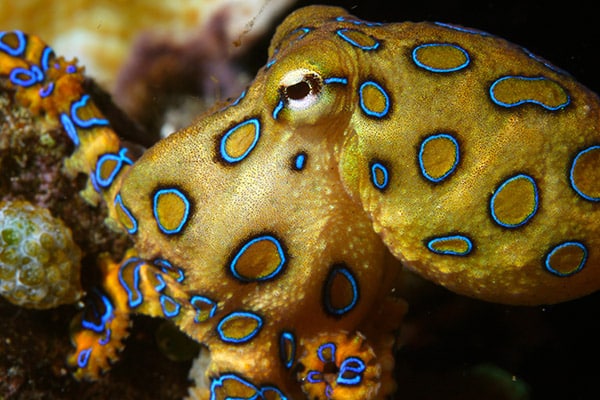
Unlike many marine animals, the danger posed by a poisonous octopus doesn’t come from claws, fangs, or stingers, it comes from venom. The most infamous species, the blue-ringed octopus, produces tetrodotoxin, a potent neurotoxin that can paralyse or kill a human in minutes. What makes this octopus even more dangerous is its subtlety. Most of the time, it appears like any other small cephalopod, blending into rocks and coral. But when threatened, it flashes its iridescent blue rings as a last warning before it bites. This venom can block nerve signals, leading to respiratory failure if not treated quickly.
Common Habitats of Poisonous Octopuses
Poisonous octopuses are primarily found in warm, shallow waters where coral reefs and rocky substrates provide the perfect hiding spots. These environments also attract divers and snorkelers, making it essential to stay alert.
1. Coastal Waters of Australia
Australia is one of the primary habitats of the blue-ringed octopus. These creatures are commonly spotted along the coastlines of New South Wales, Queensland, Victoria, and Western Australia. They often dwell in tide pools, coral rubble, and even inside discarded bottles or cans. Because these animals are usually in popular swimming and snorkelling areas, Australian beachgoers are frequently warned to avoid picking up marine debris.
2. Indonesia and the Indo-Pacific Region
Indonesia, part of the Coral Triangle, is home to some of the world’s richest marine biodiversity and that includes poisonous octopuses. The calm, shallow bays and reef systems make it an ideal hunting ground for these octopuses. Guests at Lembeh Resort, in North Sulawesi, often enjoy guided muck-diving experiences where they may spot blue-ringed octopuses under expert supervision, underscoring the importance of responsible wildlife viewing.
3. The Philippines and Papua New Guinea
The blue-ringed octopus is also native to the warm coastal waters of the Philippines and Papua New Guinea. They are most commonly found in soft-bottom areas, under rocks, or hiding in discarded shells. Although sightings are not as frequent as in Australia, divers exploring these areas should remain cautious and avoid interacting with unfamiliar marine creatures.
4. Japan’s Southern Coasts
Southern Japan, particularly the waters around Okinawa, is another known habitat for the blue-ringed octopus. While not as common here, their presence has been recorded, especially during warmer seasons. Tide-pool exploration and shell collecting are popular activities in this region, which can bring people unknowingly close to these small yet dangerous animals.
5. Rare Sightings in Other Regions
Though concentrated in tropical waters, poisonous octopuses occasionally appear in unusual locations. Storms, ocean currents, and ballast water from ships can carry them to other regions. Rare sightings have been recorded in aquariums and along coasts not typically known for venomous marine life. These occurrences are reminders that caution should be practised regardless of location.
How to Spot a Poisonous Octopus
Spotting a poisonous octopus before it becomes a threat can make all the difference. Their small size and camouflage make them hard to identify unless you know what to look for.
- Size: Typically, the size of a golf ball or smaller.
- Colouration: Usually beige or pale yellow when calm, but they flash bright blue rings when disturbed.
- Behaviour: Often hides in crevices, shells, or man-made debris like bottles.
- Movement: Quick, darting motions if exposed or threatened.
It’s important to remember that the bright rings only appear after the animal feels threatened, so relying solely on this warning may come too late.
Best Practices to Avoid Contact
Whether you’re exploring coral reefs, tide pools, or just relaxing on a tropical beach, it’s essential to take precautions to avoid accidental encounters with poisonous octopuses.
While Swimming or Snorkelling
- Never touch marine animals, even if they appear harmless.
- Refrain from reaching into holes, coral crevices, or underneath rocks.
- Wear protective water shoes if walking over shallow reef flats.
While Diving
- Use a flashlight when exploring caves or crevices.
- Avoid disturbing marine life or turning over rocks.
- Follow instructions from dive guides, especially in octopus-prone locations like those around Lembeh Resort, where macro diving is popular.
While Beachcombing or Exploring Tide Pools
- Always look carefully before picking up objects from the water or sand.
- Teach children not to touch unfamiliar marine life.
- Be cautious when collecting seashells, octopuses may be hiding inside.
What to Do If You Encounter One
Seeing a poisonous octopus can be fascinating, but it’s vital to keep your distance. If you encounter one while swimming, diving, or exploring the shore:
- Do not touch it, even if it seems inactive or calm.
- Back away slowly and avoid any sudden movement that might provoke it.
- Alert others nearby, especially children or tourists who may be unaware of the danger.
- If it’s in a public swimming area, notify a local lifeguard or marine authority.
What to Do If Bitten
Although bites are rare, they are medical emergencies due to the toxin’s potency. Immediate action can save a life.
- Call emergency services without delay.
- Immobilise the bitten area and keep the victim calm.
- Apply a pressure bandage, similar to snakebite treatment.
- Begin CPR if the person shows signs of respiratory distress or loses consciousness.
- Monitor breathing continuously until professional help arrives.
There is no antivenom for tetrodotoxin, so treatment focuses on supporting breathing and circulation until the toxin wears off.
Myths and Misconceptions
Many people hold dangerous misconceptions about poisonous octopuses that can increase risk during encounters.
- Myth: Blue-ringed octopuses are aggressive.
Fact: They are shy and only bite when provoked or touched. - Myth: They only live in deep water.
Fact: They are most commonly found in shallow tide pools, reefs, and sandy bottoms. - Myth: It’s safe to handle them if they don’t have blue rings.
Fact: The blue rings appear only when threatened, so an octopus may still be venomous even if it looks calm.
Dispelling these myths can help reduce unnecessary risks, especially for curious tourists or amateur divers.
Conclusion
The ocean is full of wonder and also a few hidden dangers. Poisonous octopuses like the blue-ringed octopus are remarkable examples of nature’s balance between beauty and threat. By understanding where they live, how to spot them, and how to avoid danger, you can enjoy your time in the water safely. Whether you’re beachcombing in Australia or diving in Indonesia, staying informed is the best protection.
Remember to observe marine life respectfully and responsibly. When in doubt, keep your distance and always follow local safety guidance from professionals or resorts like Lembeh Resort, where marine awareness and conservation are a priority.