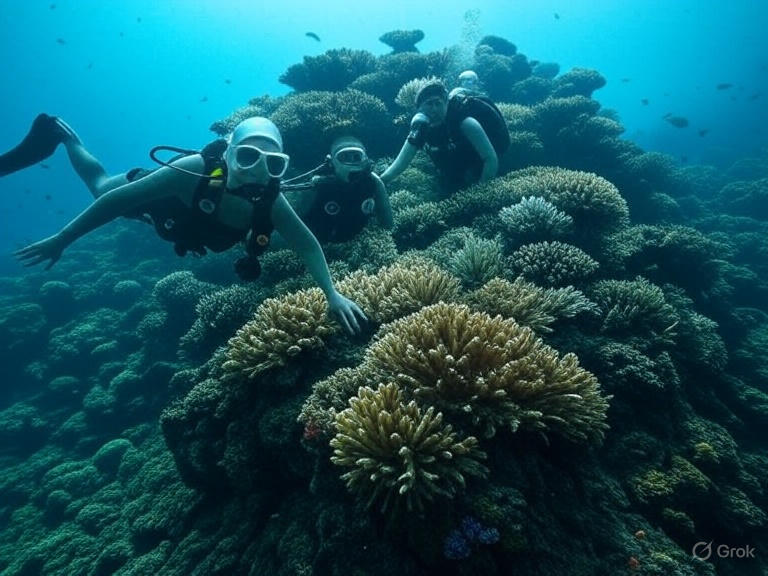
The breathtaking underwater world of the Komodo dive site, a jewel in Indonesia’s marine crown, is under threat from climate change, with coral bleaching posing a significant risk to popular dive destinations worldwide. As ocean temperatures rise and environmental conditions shift, the vibrant coral reefs that attract divers are fading, impacting ecosystems and tourism. Explores how climate change affects these cherished dive sites, focusing on the devastating effects of coral bleaching, and offers actionable ways divers can contribute to marine conservation.
The Devastating Impact of Coral Bleaching
Coral bleaching occurs when corals, stressed by rising sea temperatures, expel the symbiotic algae (zooxanthellae) that provide their color and sustenance. This phenomenon, driven by climate change, turns once-vibrant reefs into ghostly white structures, often leading to their death if conditions don’t improve. The Komodo dive site, part of Komodo National Park, is particularly vulnerable. Known for its rich biodiversity and stunning underwater landscapes, this site has experienced bleaching events linked to the 2016 global coral bleaching event, where water temperatures soared above average.
The impact extends beyond aesthetics. Bleached corals lose their ability to support marine life, disrupting food chains that sustain fish and other species that divers flock to see. A 2023 study by the Global Coral Reef Monitoring Network reported that 14% of the world’s coral reefs were severely damaged by bleaching, with popular dive sites like the Great Barrier Reef and Komodo dive site showing significant declines. Warmer waters, coupled with ocean acidification from increased CO2 levels, weaken coral skeletons, making recovery challenging. For dive destinations reliant on healthy reefs, this translates to reduced tourist appeal and economic losses for local communities.
Regional Effects on Dive Sites
Climate change affects dive sites globally, but regional variations amplify the threat. In Southeast Asia, where the Komodo dive site is located, rising sea levels and intensified storms exacerbate erosion, damaging coastal reefs. The 2025 El Niño, currently influencing ocean temperatures, has heightened bleaching risks, with reports indicating a 10-15% increase in affected areas compared to last year. Other iconic dive spots, such as the Maldives and the Red Sea, face similar pressures, with bleaching events becoming more frequent and severe.
The Komodo dive site, a UNESCO World Heritage site, is a prime example of a destination at risk. Its diverse marine ecosystem, including manta rays and colorful corals, draws thousands of divers annually. However, prolonged exposure to warm waters has led to localized bleaching, with some areas showing up to 30% coral mortality. This not only diminishes the dive experience but also threatens the livelihoods of local dive operators and guides who depend on tourism revenue.
The Role of Divers in Marine Conservation
Divers can play a pivotal role in mitigating the effects of climate change on dive sites like the Komodo dive site. One practical step is participating in coral restoration projects. Organizations such as the Coral Restoration Foundation offer volunteer opportunities where divers help plant coral fragments onto degraded reefs. These efforts, combined with monitoring programs, provide valuable data to scientists tracking climate impacts.
Reducing your carbon footprint is another critical action. Opt for eco-friendly travel options, such as carbon-offset flights, and support dive operators committed to sustainable practices. Avoiding physical damage to reefs during dives by maintaining proper buoyancy and not touching corals also preserves their health. Divers can further advocate for marine protection by supporting policies that limit greenhouse gas emissions, a primary driver of ocean warming.
Education is key. Joining local conservation workshops or partnering with groups like Project AWARE equips divers with the knowledge to spread awareness. For instance, organizing beach cleanups or fundraising for reef research can amplify conservation efforts. At the Komodo dive site, supporting local initiatives that promote sustainable tourism can help buffer the area against climate pressures.
Future Outlook and Collective Action
The outlook for dive sites like the Komodo dive site remains uncertain. Scientists predict that without global efforts to curb carbon emissions, bleaching events could become annual occurrences by 2050, potentially wiping out 90% of coral reefs. However, collective action offers hope. Governments, tourism boards, and international bodies are exploring solutions like marine protected areas and coral heat-stress monitoring systems to safeguard these ecosystems.
For dive enthusiasts, staying informed through resources like Kompas.com or marine conservation websites ensures they can adapt their plans. Choosing destinations with active restoration programs or visiting during cooler months can reduce pressure on vulnerable sites. The dive community’s commitment to sustainability could be the lifeline these reefs need.
The climate crisis is reshaping the underwater landscapes of popular dive destinations, with the Komodo dive site facing significant challenges from coral bleaching. Rising temperatures and environmental changes threaten the biodiversity and economic vitality of these areas. Yet, divers hold the power to make a difference through restoration, sustainable practices, and advocacy. By acting now, the global dive community can help preserve the Komodo dive site and other treasures for future generations, ensuring these underwater wonders endure beyond 2025.