
As the global population ages, the real estate market is significantly transforming. With more seniors than ever, there’s an increasing demand for housing that prioritizes accessibility, safety, and convenience. In response, real estate developers are rising to the occasion, designing homes and communities tailored to the unique needs of aging populations. This shift reflects changing demographics and highlights the innovative solutions implemented to meet these evolving requirements in the housing landscape.
The Growing Need for Age-Friendly Housing
People around the world are getting older at a fast pace. The United Nations estimates that by 2050, there will be about 2.1 billion people aged 60 and over, compared to 1 billion in 2020. This increase in older adults is bringing new challenges, especially regarding housing.
For many seniors, staying in their familiar neighborhoods and maintaining independence is essential. However, many traditional homes aren’t designed to meet their changing needs as they age. Because of this, there’s a growing demand for homes that are easy to navigate and provide the necessary support for older individuals.
Key Features of Age-Friendly Housing
Real estate developers respond to these needs by designing homes and communities tailored to older individuals’ needs. Some of the key features of age-friendly housing include:
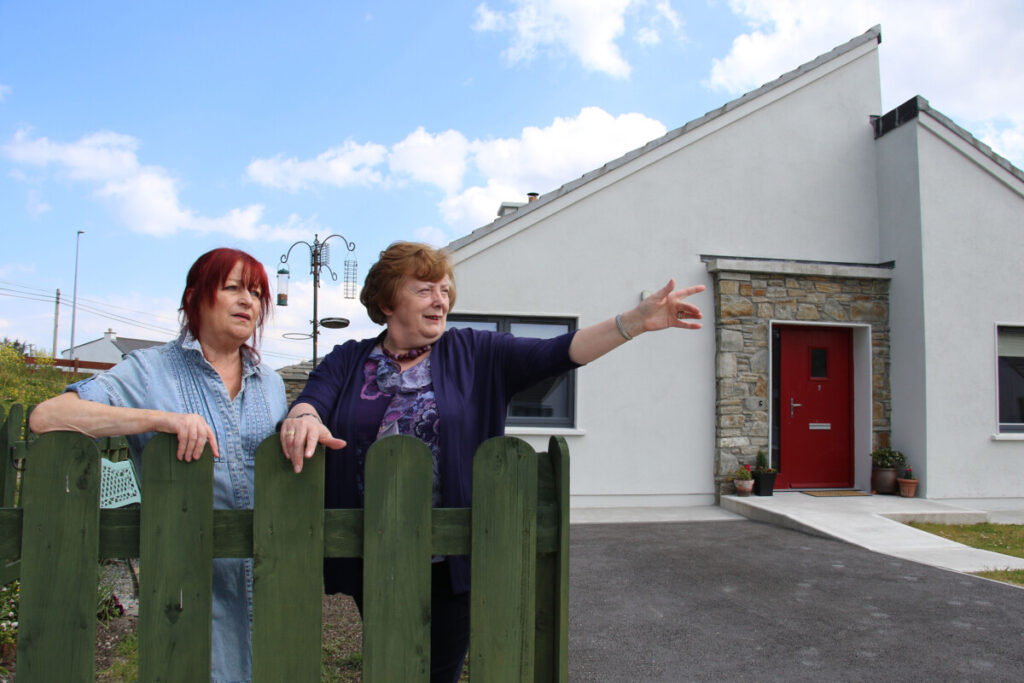
- Accessibility: Homes have wider doorways, step-free entrances, and spacious interiors to accommodate mobility aids like wheelchairs and walkers. Single-story homes or multi-level homes with elevators are also becoming popular choices.
- Safety: Safety features such as non-slip flooring, bathroom grab bars, well-lit pathways, and emergency alert systems are being integrated into homes. These features not only ensure the physical well-being of seniors but also provide peace of mind to both residents and their families.
- Innovative Technology: Smart home technology benefits seniors by simplifying daily tasks. Voice-activated assistants and home automation systems for lighting, temperature, and security enable older adults to live more independently and safely.
- Adaptability: Real estate developers focus on creating adaptable spaces that can be easily modified as an individual’s needs change over time. This includes movable walls, adjustable countertops, and removable cabinetry that can be altered.
Community-Focused Living Spaces
Real estate developers design homes and communities that meet seniors’ physical needs while fostering a sense of belonging and support. The concept of ageing in place is gaining popularity as seniors seek to remain in their homes and neighbourhoods for as long as possible.
Developers are creating neighbourhoods for seniors, featuring shared spaces like community centres, fitness areas, and gardens. These spaces promote social interaction, enhancing physical and mental health. Additionally, many communities are located near hospitals, public transportation, and shopping for easy access to essential services.
The Future of Real Estate for Aging Populations
The demand for age-friendly housing is rising, prompting the real estate market to evolve. Developers are increasingly adopting universal design principles to create accessible, community-oriented living spaces for people of all ages and abilities.